Politics


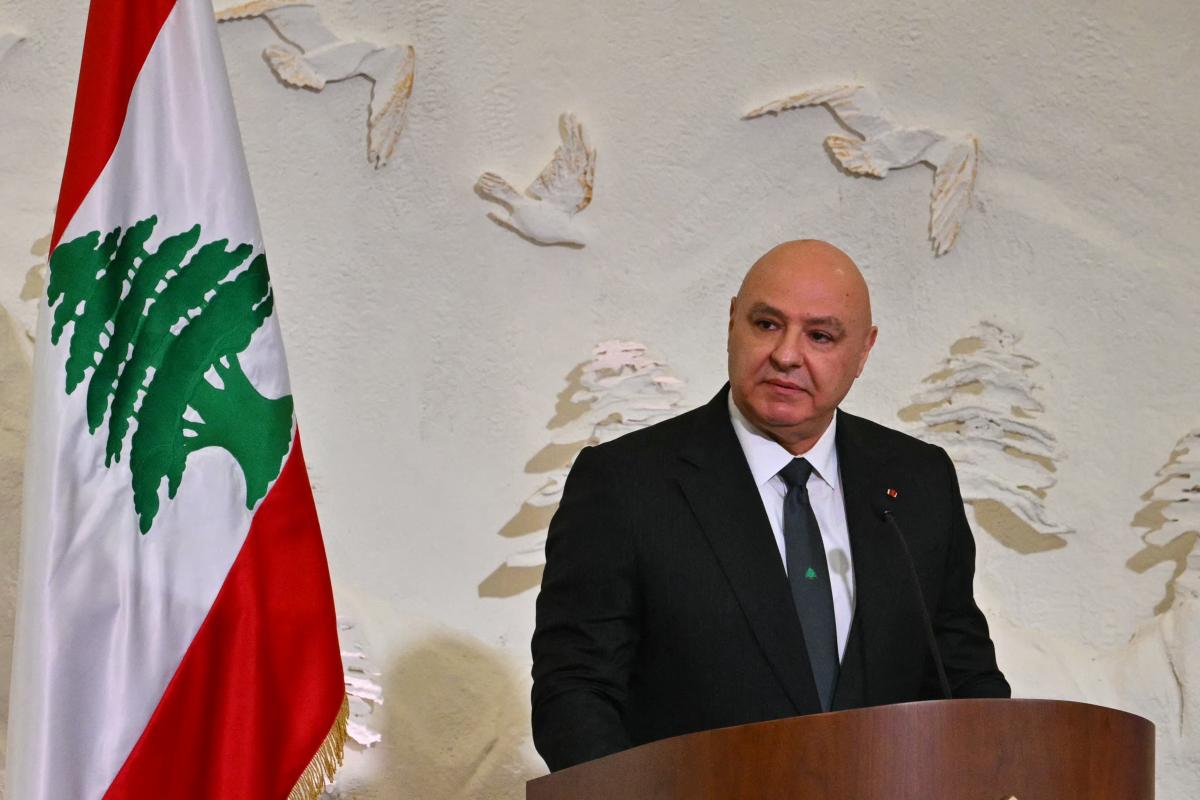




General Joseph Aoun is on the cusp of his first anniversary as Lebanon's president. His election sparked a wave of hope with bold pledges and promises. It's unfair to judge his tenure after just one year, yet his achievements so far fall short of the grand vision in his inaugural address.
To be fair, this president lacks unchecked power, the crises at hand defy quick fixes, and the Taif Agreement's political framework leaves little wiggle room.
Still, Lebanese citizens—who finally have a president and a government that's not yet gridlocked—deserve answers from the presidency, cabinet, and parliament (still dancing to its speaker's tune). What have they delivered? Precious little. The outlook remains murky, solutions feel out of reach, and yet everyone urges them to lead.
Isn't it shameful that those who dragged Lebanon into the proxy war's nightmare still dodge accountability for their actions and arsenals, content to be mere loudmouths?
Isn't it a mark of frailty to roll out the state's pivotal decisions with kid gloves instead of iron resolve?
It all boils down to gutsy decision-making, rigorous follow-through, and spot-on timing. Too often, sound choices fizzle because they come too late.
Three worries haunt Lebanese minds today:
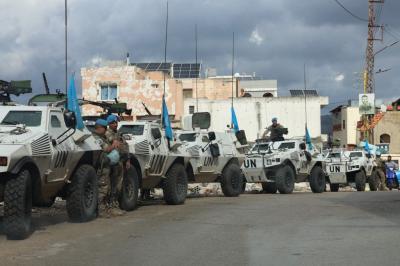
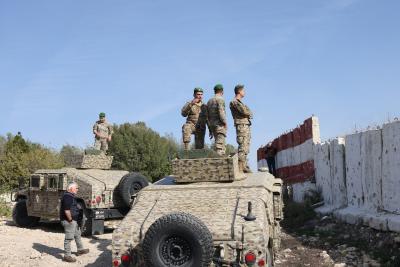
Have we truly put the war behind us, or do we still risk an Israeli strike—something Israeli leaders openly threaten and our global allies warn against? We've committed to talks and picked a battle-tested, upright negotiator to lead. But do we have a real strategy? Have we mapped out our red lines and deal-breakers?
Have we cracked our financial, economic, monetary, social, and political quagmires? Do those fixes hold the culprits accountable—those we know by name and crime—who sparked and cashed in on the chaos? And what about compensating Lebanese and foreigners robbed of their bank deposits by institutions their state failed to rein in, after squandering those funds? The whole political elite and banking sector are complicit: perpetrators, enablers, look-the-other-way types, and silent bystanders.
Are we committed to forging a real state and bolstering its institutions, or must people still beg politicians for "services" to claim their rights?
The stark reality: no leader has a straight answer. They parrot what suits their echo chambers. Another truth: it takes boldness to tap available resources, keep basic services running, and then drop the hammer with tough calls.
Look at our bloated public sector—enough staff for two countries—yet every agency cries staffing shortages. Where are the no-shows collecting paychecks? Or are salaries funneled to cronies via ghost names on obsolete rosters?
Israel is still the foe—for now, and a deal might someday mend that. But our true adversary is ourselves. We'll spin in this vicious loop until we transform into proper citizens.
Time's ticking, and the Middle East is a scramble for influence. Lebanon's power brokers must quit haggling and chart our nation's path forward.
Please post your comments on:
[email protected]