Politics
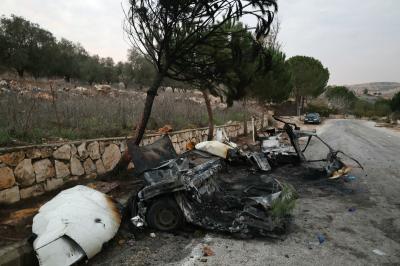
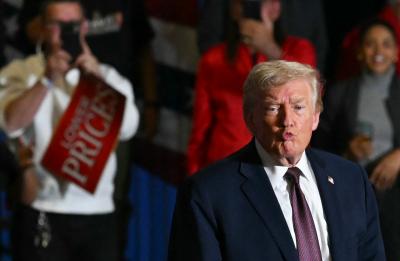
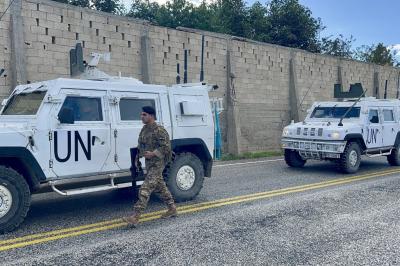
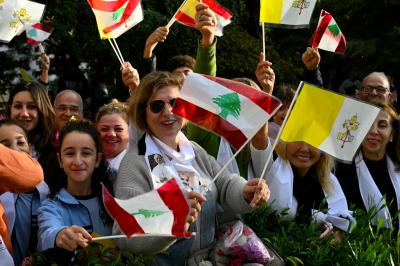
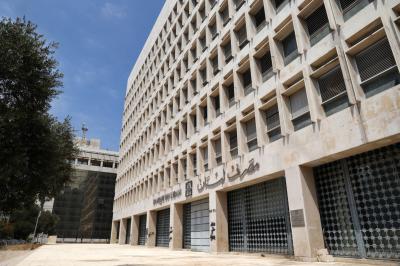
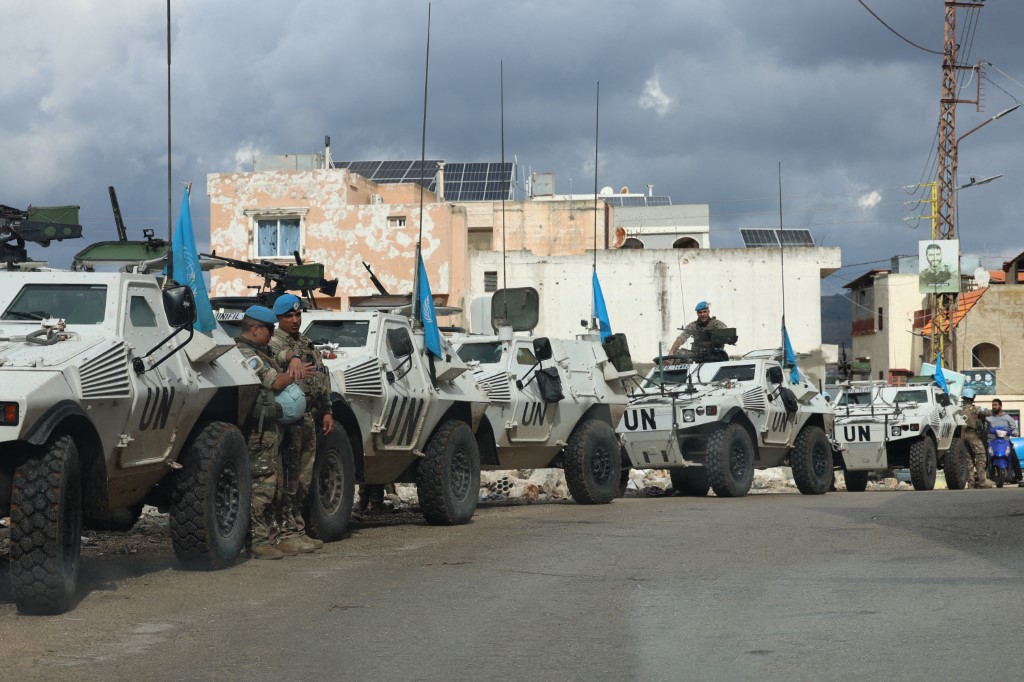




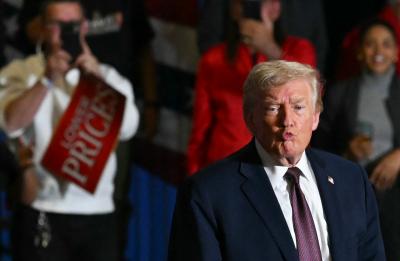
As meetings of the Committee for the Cessation of Hostilities (the “Mechanism”) convene this Friday in Naqoura, the overall scene on both sides of the Lebanese–Israeli border remains frozen in front of 2 opposed alternatives. The first is a large-scale military escalation, repeatedly threatened by senior Israeli officials, amid Hezbollah’s continued rejection of the principle of exclusive state control over weapons and its declared determination to rebuild its military structure. The second is a narrow but still open political window, based on a Lebanese–international bet on the ability of U.S. President Donald Trump to rein in this escalation during his anticipated meeting later this month in Florida with Israeli Prime Minister Benjamin Netanyahu.
A Firm Lebanese Position… and Calculated Messages
Facing this shaky swing, the official Lebanese stance stands out as the most stable, objective, and prudent at this stage—unlike the patterns that prevailed during years of foreign tutelage over the country.
This position is rooted in clear commitments set out in the oath speech of President General Joseph Aoun and later translated into the ministerial statement of Prime Minister Nawaf Salam’s government, particularly regarding the principle of the Lebanese state’s exclusive and legitimate monopoly over weapons across its entire territory. It also reaffirms Lebanon’s commitment to the 1949 Armistice Agreement signed with Israel.
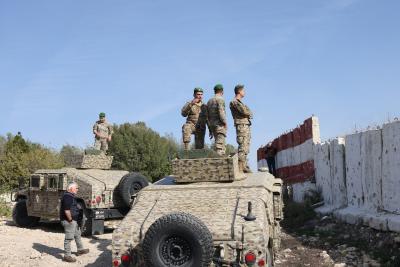
In this context, attention is turning to the official report the government is expected to issue before the end of the year, detailing the steps taken by the Lebanese Army in implementing the first phase of the disarmament plan south of the Litani River—a phase that, according to available information, is effectively coming to near completion.
“Negotiation Does Not Mean Surrender”
President Aoun’s recent remarks from Baabda Palace were neither incidental nor merely ceremonial. On the contrary, they can be read as a political roadmap at a highly sensitive regional moment, particularly at the triangle of the Lebanese–Syrian–Israeli borders.
When the president affirms that the state is working “through negotiation to consolidate security and stability, especially in the south,” while simultaneously stressing that “negotiation does not mean surrender,” he sends two parallel messages. The first is directed inward, to the Lebanese public, underscoring that the state’s choice is to prevent war, not to coexist with it. The second is addressed outward, signaling that Lebanon is not seeking free protection, but is fulfilling its obligations in exchange of stability.
Warning Against the Electoral Exploitation of War
What stands out in President Aoun’s speech is not only his defense of the negotiation option, but also his explicit warning against those who “live off the breath of war” and exploit it for narrow electoral calculations. This touches on one of the most sensitive issues in Lebanon’s reality: the use of existential threats as a tool for internal political mobilization.
In this light, his phrase—“the game of those who market war has been exposed”—amounts to a direct accusation, aimed not only at external actors but also at internal ones, where some still view permanent tension as an indispensable political lever in times of crisis, conflict, and war.
A Bet on Trump… Not on Fire
President Aoun’s clear reference to “the positions taken by President Trump and his interest in the issue of peace” is no minor detail. It reflects a realistic Lebanese reading of the international balance of power and an attempt to seize a political moment in which Washington is believed to be less enthusiastic about military adventures and more inclined, at least temporarily, toward maintaining calm.
This bet, however, is not built on intentions alone, but on presenting clear Lebanese credentials: an army that acts, a government that commits, and a presidency that places the prevention of war at the top of its priorities.
Lebanon and the Two Choices
In conclusion, Lebanon today stands at a delicate crossroads. Either it consolidates the long-desired logic of the state, sought by the overwhelming majority of the 10,452 square kilometers’ inhabitants at home and by the Lebanese spread across the diaspora abroad, through gradual yet steady steps that bring non-state weapons under the umbrella of legitimacy and close the doors to war. Or it slides once again into a formula of open-ended escalation, in which there are no real winners—only devastation.
So far, the official Lebanese position appears to have chosen the more difficult path, one that could ultimately lead to creating conditions conducive to easing the hardships of the Lebanese people: the path of politics, negotiation, and restraint—while awaiting whether this option will be granted the opportunity it needs to succeed before the region imposes another international and regional tempo, whose scope and dangers for the entire region remain impossible to predict.
Please post your comments on:
[email protected]