Politics




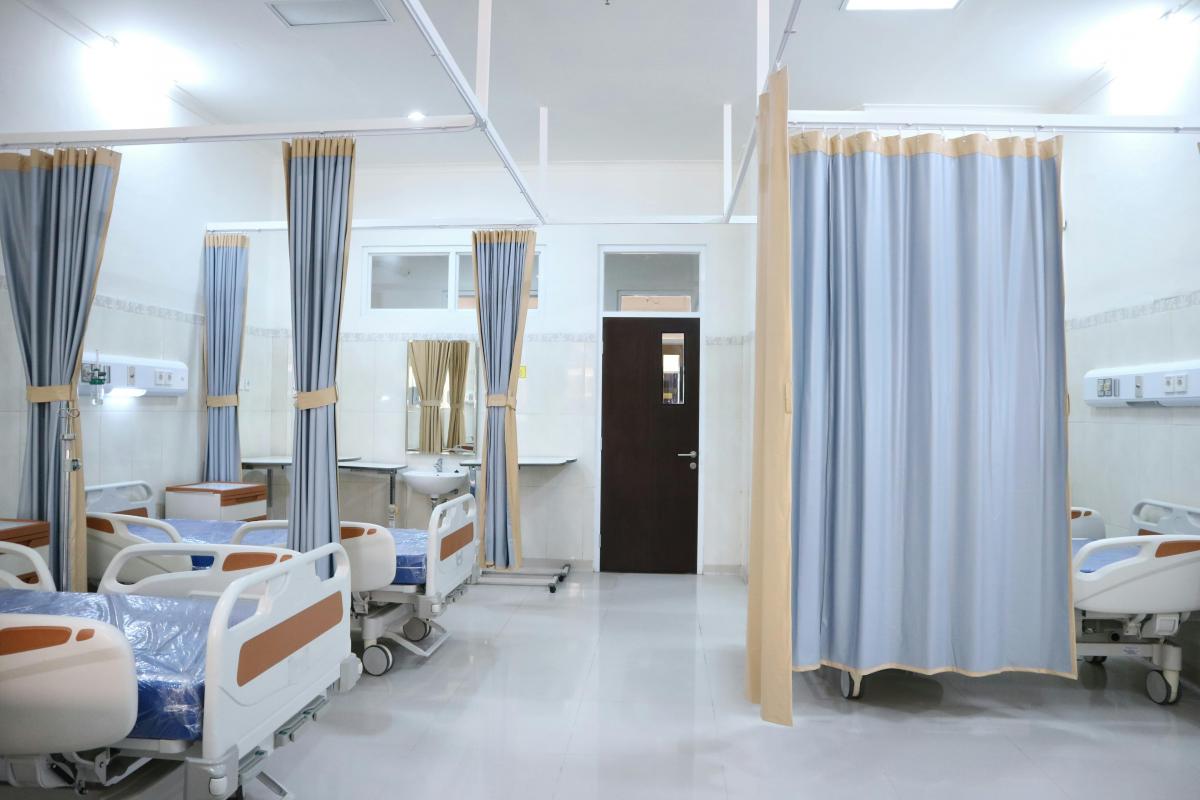




The latest indicators show that a number of Arab countries achieved notable progress in healthcare standards in 2025. According to the most recent ranking of the top 10 Arab countries in terms of healthcare quality, Qatar came first with a score of 73.4%, followed by the United Arab Emirates at 70.6%, Jordan at 65.2%, and Oman at 65.1%. Lebanon ranked fifth with 63.7%, ahead of countries such as Saudi Arabia, Kuwait, and Tunisia.
This ranking opens a broad debate about how Lebanon has managed to maintain an advanced position despite the economic and institutional collapse it has been experiencing since 2019. It raises questions about the resilience of this sector and what distinguishes it from other Arab countries that enjoy greater stability.
Lebanon… An Advanced Healthcare Sector Despite the Collapse
Lebanon’s placement among the top Arab countries is far from incidental. It reflects deep internal strengths within the medical sector, which can be summarized in three main elements:
Quality of Medical Professionals
– Human capital is one of Lebanon’s strongest assets. The country is regionally known for its elite physicians and specialists, many of whom possess international experience and work in leading global medical centers.
Advanced University Hospitals
– Hospitals such as the American University of Beirut Medical Center, Hôtel-Dieu de France, Geitawi Hospital, and others are considered among the best in the region in terms of service quality, medical technologies, and academic training programs.
A Highly Health-Conscious Society
– Lebanese society demonstrates relatively high health awareness, with strong interest in preventive check-ups and specialized treatments, driving demand for high-quality medical services.
Compared to Other Arab Countries: Why Does This Ranking Matter?
Qatar and the UAE: Massive Investment in Infrastructure
Qatar and the UAE secured the top two positions thanks to:
– Modern healthcare infrastructure
– Heavy investment in medical technology
– Comprehensive health insurance systems
– Long-term government-led projects
Saudi Arabia and Jordan: Ongoing Development Strategies
Saudi Arabia ranked sixth (61.8%), driven by:
– “Vision 2030” reform plans
– Hospital modernization
– Digitalization of healthcare services
Jordan ranked third (65.2%), supported by a strong medical tourism sector.
Lebanon… The Healthcare Paradox
Unlike other countries, Lebanon’s healthcare strength does not rest on government support, but rather on:
– Private sector initiatives
– A strong medical reputation
– Human expertise
– Teaching hospitals
This makes its success exceptional amid a deep economic collapse.
What This Ranking Means for Lebanon
Lebanon’s inclusion among the Arab world’s top healthcare systems carries several key implications:
Regional Trust in Its Medical Sector
– Despite ongoing crises, Lebanon remains a destination for advanced medical procedures, particularly in highly specialized fields.
A Significant Economic Contribution
– Before the crisis, the healthcare sector was a major driver of medical tourism and continues to retain part of this role.
Proof of the Resilience of Lebanese Sectors
– The ranking confirms that Lebanon can still compete regionally when a minimum level of stability is available.
“Healthcare Is Lebanon’s Last Stronghold… But It Needs Protection.”
Health policy expert Dr. Fadi Nassar told Al Safa News that Lebanon’s ranking among the strongest Arab healthcare systems “is due more to the strength of human capital than to any government support. However, sustaining this excellence requires financial stability, support for university hospitals, and funding for training programs so we do not lose what remains of our skilled professionals.”
He warned that the wave of medical emigration could threaten the sector’s future if an urgent protection plan is not put in place, foremost among its priorities:
– Strengthening hospital funding
– Supporting public health insurance
– Improving wages for healthcare workers
– Restoring confidence in the healthcare system domestically and internationally
Despite all the challenges, Lebanon has managed to maintain an advanced position in Arab healthcare for 2025, underscoring that this sector remains a national asset that must be preserved. While countries across the region invest billions to develop their healthcare systems, Lebanon once again proves that its human capital is its most resilient resource—and the one most in need of protection.
Please post your comments on:
[email protected]