Politics
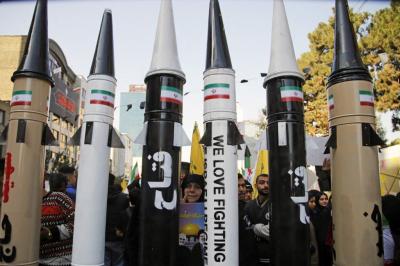




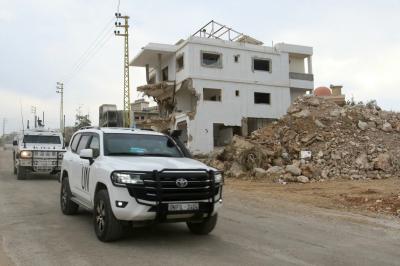
Whether he means to or not, Foreign Minister Youssef Rajji is playing right into the regional and international pressure campaign against Lebanon. It’s no small thing for the Foreign Minister to let it be known that a significant number of countries have warned Lebanon it faces a real possibility of Israeli military strikes. This is a direct result of "Hezbollah" doubling down, vowing it will never give up its weapons "even if the sky falls" and "even if the whole world wages war on Lebanon."
The truth is, these warnings have been sent non-stop since the agreement to cease the hostilities was signed last November. Despite "Hezbollah's" twisted interpretations and the Lebanese government's failure to walk its talk, we have said it before and we'll say it again: "Hezbollah" read the deal and agreed to it. It needs to fulfill its end of the bargain before Israel even starts pulling its troops back from the occupied points.
Even with these constant warnings, and as brutal as Israel's strikes have been, Israel has kept its military actions within the boundaries greenlighted by the United States—that greenlight being the freedom to launch preemptive strikes against any perceived threat.
Right now, Lebanon is stuck in a vice, squeezed by international and regional pressure. The US Ambassador to Turkey, Tom Barrack—who’s of Lebanese descent himself—keeps repeating that Lebanon will become part of Syria again. Meanwhile, Israel is making threats, and several other countries are passing those threats along to Beirut: get the state to be the sole armed force by year’s end, at least south of the Litani River, or else.
Let’s be clear: Lebanon was never part of Syria, and Barrack knows it. He says it anyway. And Israel’s threats? They’re just more of the same. This is all high-volume pressure, plain and simple, designed to force the Lebanese government’s hand and make it move faster, before it loses all credibility.
President Joseph Aoun started his term pledging to put all weapons under state control. No one understands the challenges of that better than him, coming straight from leading the military. The Prime Minister made the same promise twice—first when he agreed to form the government, and again in the government’s policy statement.
But instead of seeing any real progress, we got a secret army plan approved by the government. Now we are hearing all sorts of creative interpretations of the word "control," all of them basically suggesting "Hezbollah" gets to keep its guns under some vague promise of "neutralization," "non-use," or "containment."
Don’t go blaming the army for this. The army follows the government’s orders. The President knows the military’s capabilities inside and out—arguably better than the current army chief. Wasn’t he the one who shielded it from political meddling for seven years and kept morale up against all odds? The buck stops with the political leadership. Did they bite off more than they can chew?
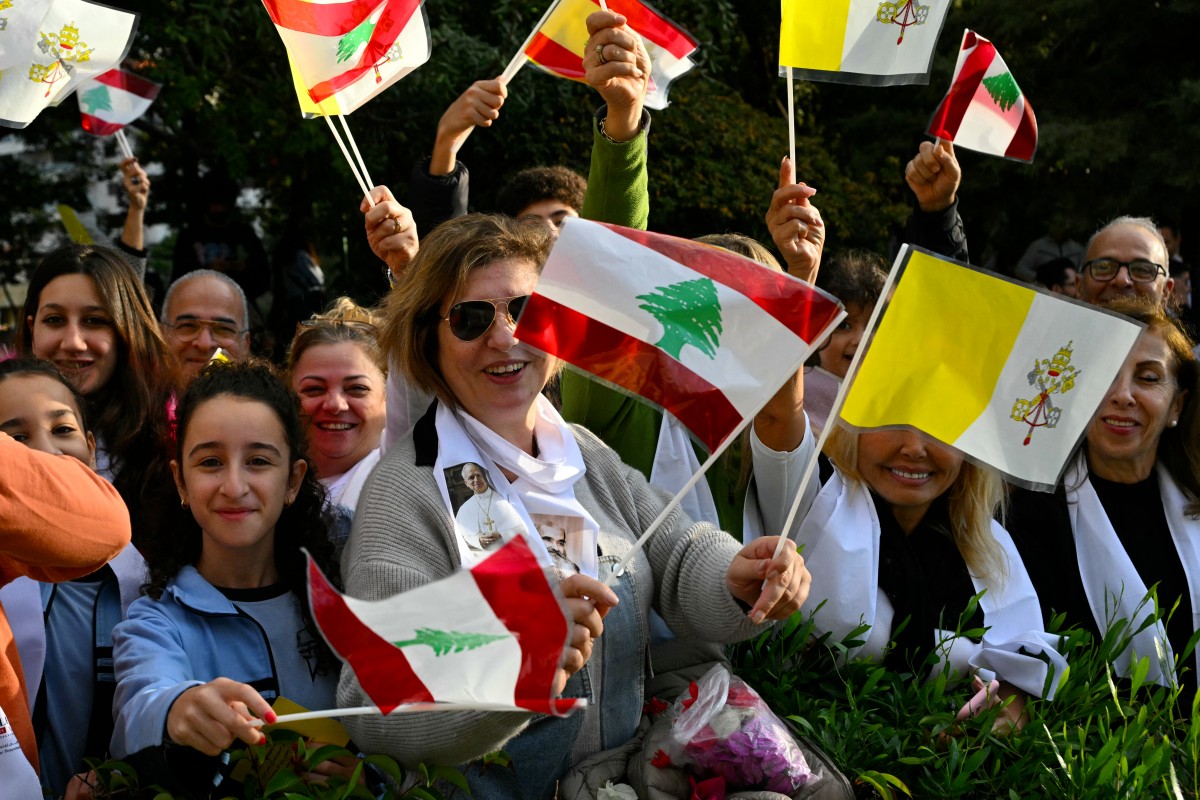
Here’s the bottom line: at the end of the day, pressure is just pressure. Pope Leo’s visit to Lebanon sent three clear messages:
1. The road to peace is now open.
2. Lebanon belongs to its people, and to no one else.
3. It’s time for the Lebanese to take charge. After all, every single religious leader who spoke in Martyrs’ Square in front of the Pope was reading from the same page on national unity. You’d think there wasn’t a single difference between them.
So, what’s everyone waiting for?
Please post your comments on:
[email protected]