Politics





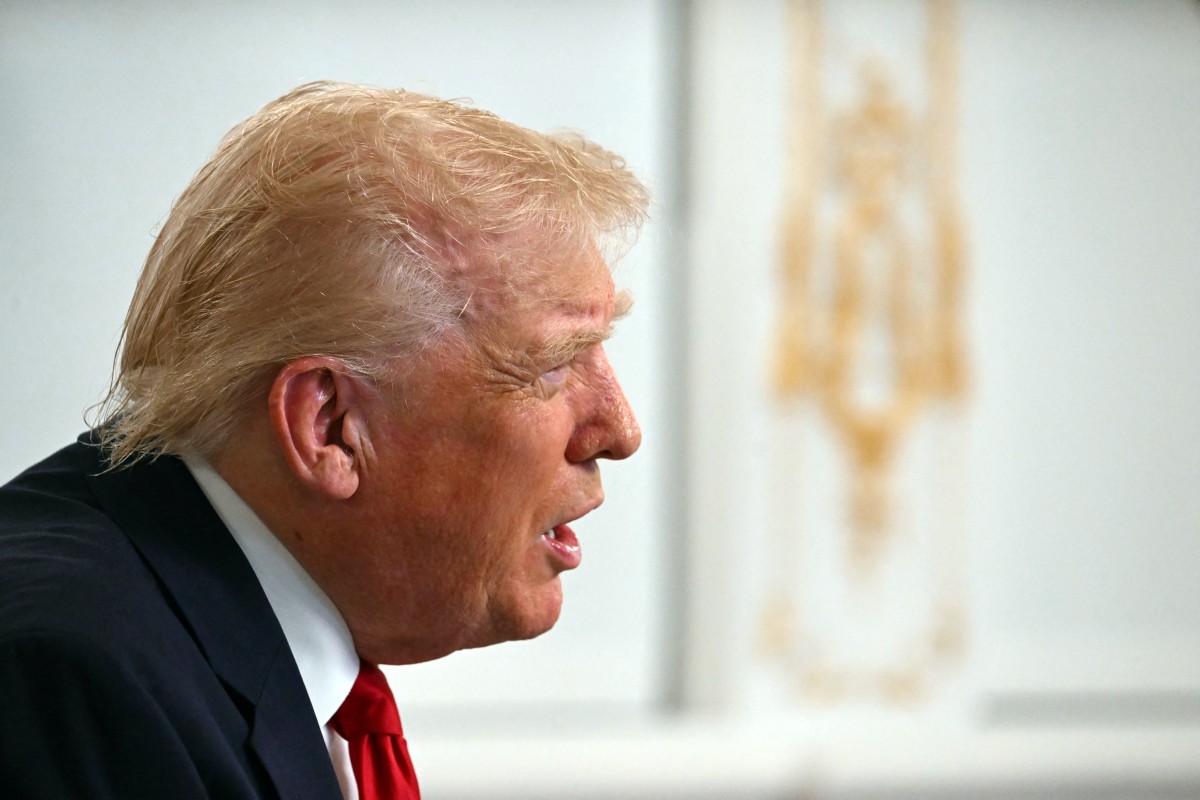




The point-blank shooting by an Afghan refugee of two West Virginia National Guardsmen deployed in Washington has reignited the polemic surrounding the US immigration policy and prompted President Donald Trump to renew the tough discourse of "making America secure again." He immediately ordered the deployment of an additional force of 500 West Virginia National Guardsmen in the federal capital, and on Thanksgiving Day announced the suspension of immigration from "all third-world countries" until the system is fixed.
While much of the public and political discourse has rightly focused on the dangers of domestic extremism in the United States, a more nuanced and emerging challenge demands more attention: the phenomenon of refugee-perpetrated shootings. The specter of lone-wolf violence is a persistent and complex threat to the US domestic security. These are not coordinated terrorist cells, but individuals who, having been granted sanctuary, turn to violence against their host nation. To dismiss these incidents as simple ingratitude or inherent malevolence is a dangerous oversimplification. A clear-eyed security and political analysis reveals a confluence of pre-migration trauma, post-migration failures, and sophisticated ideological manipulation. Understanding this triad is essential to crafting effective, and constitutionally sound, preventive measures.
Probable Causes
The profile of the "alien refugee lone wolf" is not monolithic, but security analysts have identified several recurring, interlocking causal factors.
Unhealed Wounds of Trauma, Conflict
Many refugees flee environments of extreme violence, civil war, and societal collapse. They carry with them the psychological scars of witnessing atrocities, losing family members, and enduring profound instability. Post-Traumatic Stress Disorder (PTSD), depression, and anxiety are rampant within refugee communities. Without adequate mental health support, these conditions can fester, leading to a distorted worldview, profound alienation, and in rare but catastrophic cases, a propensity for violence. The individual may feel a simmering, generalized rage born of their suffering, which lacks a specific outlet until it is weaponized by a destructive ideology.
Systemic Failures in Integration
The United States has long been a nation of immigrants, but its modern infrastructure for integrating newcomers is chronically underfunded and fragmented. Refugees often face a triple isolation: linguistic barriers that limit employment and social interaction; cultural dislocation that leads to profound homesickness and identity conflict; and economic marginalization, where professional credentials are not recognized, forcing them into menial jobs far below their skill level.
This isolation creates a fertile breeding ground for resentment. When the promise of the American Dream collides with the reality of poverty and social exclusion, a deep sense of betrayal can take root. The host society, instead of being seen as a savior, is viewed as a new oppressor. This grievance narrative is the core feedstock for radicalization.
Targeted Ideological Manipulation
This is where the "lone wolf" designation meets a globalized digital battlefield. Adversarial state and non-state actors have identified disaffected refugee populations as a key vulnerability to be exploited. Through sophisticated online propaganda, agents of certain countries, or extremist groups like ISIS can pinpoint and groom individuals.
Their messaging is tailored and insidious. They amplify the refugee's feelings of alienation, framing the West as inherently racist, Islamophobic (if the refugee is Muslim), or decadent and corrupt. They provide a simple, enemy-centric narrative that explains the individual’s suffering and the individual, acting alone in a physical sense, becomes a virtual soldier in a foreign power's proxy war, aiming to sow discord and fear within American society at a minimal cost to the aggressor.
American Context: Access to Lethal Means:
Any analysis of shooting incidents in the United States must confront the unique variable of gun accessibility. A deeply alienated individual in another Western nation may turn to a less lethal form of violence. In the United States, the pathway from radicalized thought to mass casualty event is tragically shortened by the widespread availability of high-capacity firearms. The combination of a grievous, manipulated individual and an AR-15 is what transforms a potential hate crime into a massacre.
Prevention Strategy
Preventing the recurrence of these incidents requires a strategy that is both robust and nuanced, addressing each causal layer without infringing on civil liberties or betraying American values.
1. Post-Arrival Support Systems:
Security begins with stability. The United States would spare itself many dangers if it significantly invests in its refugee resettlement programs. This goes beyond initial housing and includes mental health screening and care with mandatory, culturally-competent mental health assessments upon arrival, with ongoing, accessible counseling services. It also includes opening robust integration pathways with federal funding for expanded English-language education, vocational training, and programs that fast-track the recognition of foreign professional credentials. Also, law enforcement should build deep, trusting relationships with refugee communities through community liaisons, cultural sensitivity training, and outreach programs. The goal is for these communities to see law enforcement as partners, not adversaries.
2. Counter-Extremism Programs:
The United States must fight the information war at home. This involves funding community-led initiatives that teach digital literacy, helping new arrivals identify and resist online manipulation and propaganda; establishing countering violent extremism programs that are community-specific and culturally attuned; and refining vetting with a focus on post-arrival monitoring.
Gun Control Dilemma:
This is the most politically contentious, yet inescapable, part of the equation. From a purely security-focused perspective, measures must be considered to keep firearms out of the hands of individuals on the terrorist watchlist or those who have been legally adjudicated as a danger to themselves or others. "Red flag" laws, which allow for the temporary removal of firearms from individuals deemed an imminent threat, are a critical tool.
Refugees who become lone wolves are not born; they are made, forged in the crucible of unaddressed trauma, failed by systems of integration, and weaponized by external actors seeking to undermine American society. A security response that relies solely on heightened surveillance and militarized policing will fail, as it addresses the symptom, not the disease. Fixing the Immigration system is the answer.
Please post your comments on:
[email protected]