Politics






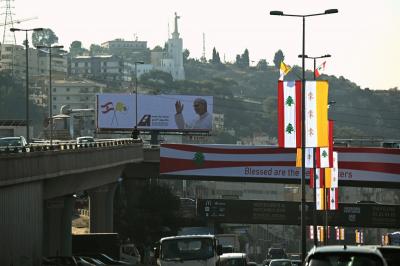
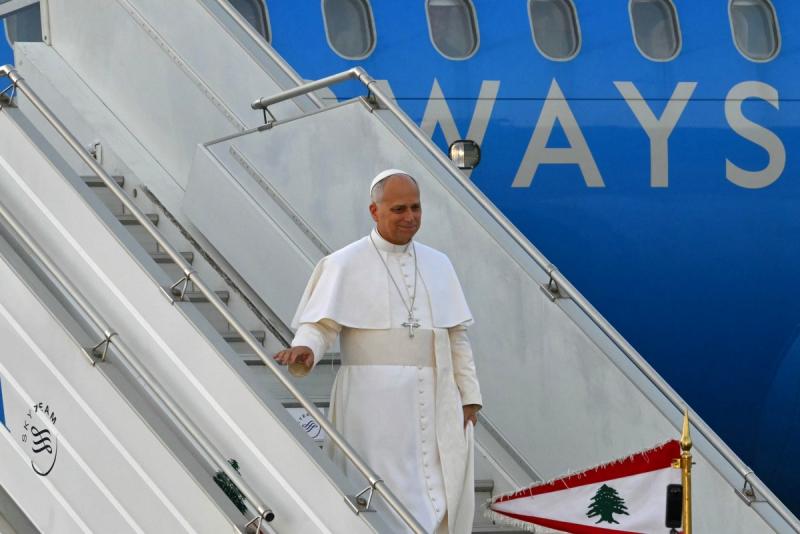
U.S. and Israeli pressure on Lebanon is intensifying in an effort to impose new realities, while the Lebanese government faces major internal challenges that may prevent the country from sliding into an all-out war. The visit of Pope Leo XIV came with great symbolic and moral weight, yet it is impossible to determine whether it can alter the political and military trajectories currently on the table, as the solution lies elsewhere and requires negotiations with major powers, not with the Pope alone.
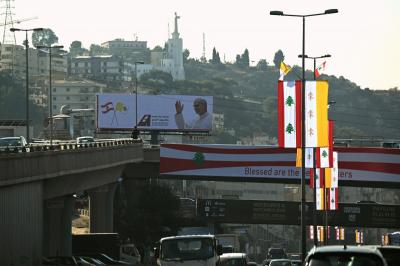
However, the Pope’s visit—with its strong symbolic and spiritual character—reaffirmed the message of peace and coexistence in Lebanon, offering support to the authorities and helping make the divided domestic climate more moderate and unified.
One may say that this papal visit is a light that illuminates the darkness of the crises engulfing Lebanon and its surroundings, even if it cannot push away all the shadows.
Nevertheless, Lebanon’s scene in the days leading up to the new year will be extremely complex.
The United States set December 30 as a deadline for the Lebanese authorities to disarm Hezbollah, warning that Lebanon would be left to its fate if it failed to comply.
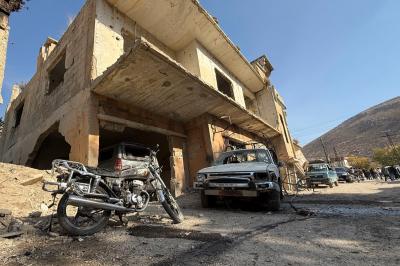
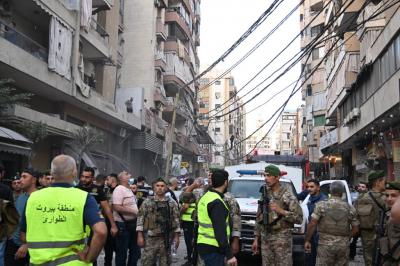
Israel, through its near-daily airstrikes on areas south and north of the Litani River extending into the Bekaa, is also seeking to impose new realities, while its leaders discuss plans to establish a “buffer zone” in southern Lebanon administered by a joint Lebanese-Israeli civil council.
In response, the Lebanese government is expected to announce at the end of the “American deadline” that it has completed the disarmament south of the Litani and finished deploying ten thousand officers and soldiers in the area alongside UNIFIL forces.
It will also complain to Washington that Israeli obstruction has prevented full deployment to the border, as Israel has not withdrawn its forces from occupied Lebanese territory.
The Lebanese government will stress that Hezbollah’s weapons north of the Litani will be addressed internally through the national security strategy outlined in the ministerial statement and previously in President Joseph Aoun’s inauguration address.
Diplomatic, political, and field indicators so far suggest that a full-scale war is not inevitable, contrary to what some claim, as all parties are avoiding total escalation.
Israel continues its war of attrition against Hezbollah, which absorbs the strikes and vows retaliation without specifying timing—unless it is pushed into a large-scale confrontation.
Meanwhile, the Lebanese government is calling on the United States and the international community to compel Israel to halt fire, expressing readiness to negotiate—under Washington’s sponsorship—an agreement to demarcate land borders and end the state of war, similar to the 2022 maritime border deal.
The Lebanese Position
Lebanon has received no diplomatic response from Israel or the United States to its initiatives—particularly the one launched by the President from the south on the eve of Independence Day—making it likely that the situation will remain unchanged.
Israeli military pressure is expected to intensify amid internal disputes over exclusive arms control, as Hezbollah refuses to disarm unless Israel commits to a ceasefire and withdraws from occupied Lebanese territories.
The fate of Hezbollah’s weapons would then be determined within a national security strategy, as recently proposed by the party’s Deputy Secretary-General, Sheikh Naim Qassem.
The continued political and economic crisis places Lebanon before critical deadlines at the start of 2026.
Chief among these is the parliamentary elections, which face the risk of postponement or cancellation if a new war erupts—regardless of internal disputes over the electoral law.
What Does Israel Want?
Amid the current escalation in Lebanon and the region, Israel seeks to redraw the security map and weaken Iran’s influence, with clear U.S. backing focused on imposing Washington’s conditions through diplomacy and financial and military pressure.
Israel wants Hezbollah completely disarmed, a “buffer zone” established south of the Litani, and Lebanon encircled through a security arrangement with Syria—while simultaneously confronting Iran and its regional allies.
To reach these goals, Israel conducts near-daily airstrikes north of the Litani and deep into Lebanon, assassinates Hezbollah military leaders, and threatens the party daily with a large-scale war if it does not disarm.
But Israel’s objectives go beyond this, extending to the imposition of a buffer zone in the south.
The U.S. Position
For its part, the United States supports Israel’s goals—especially Hezbollah’s disarmament—and is pressuring the Lebanese government to complete it by year’s end, while also working to dry up the party’s funding sources and isolate it financially by targeting its institutions.
Under the banner of “strengthening the Lebanese state's authority over all its territory,” Washington recently provided $230 million in support to the Lebanese Army, accompanied by a team of military advisers, while simultaneously seeking to isolate Iran economically and politically.
This indicates that Washington is not a bystander but an active strategic partner to Israel.
It not only provides unconditional political and military support, but also leads the diplomatic and financial pressure campaign on Lebanon to force compliance with U.S.–Israeli demands.
The recent statement by U.S. Ambassador to Lebanon Michel Issa, published in Haaretz, saying “Israel does not need U.S. permission to defend itself,” revealed the true extent of Washington’s support.
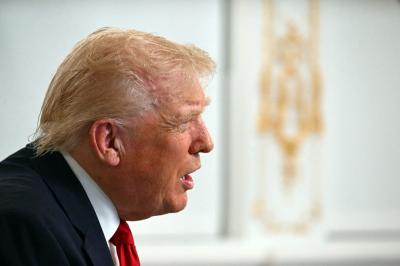
And while President Donald Trump told President Aoun that Lebanon stands at a “historic crossroads,” reality shows that Lebanon and the region stand there together.
Current developments indicate two possible outcomes: either a wide-ranging war if Hezbollah refuses to disarm, or the success of pressure in pushing Lebanese and regional actors toward negotiations that produce a settlement as an alternative to war.
In light of all these factors, the race is intensifying toward the end-of-year deadline set by Washington for Hezbollah’s disarmament—before moving toward other options that may serve no one’s interests.
Please post your comments on:
[email protected]