Politics

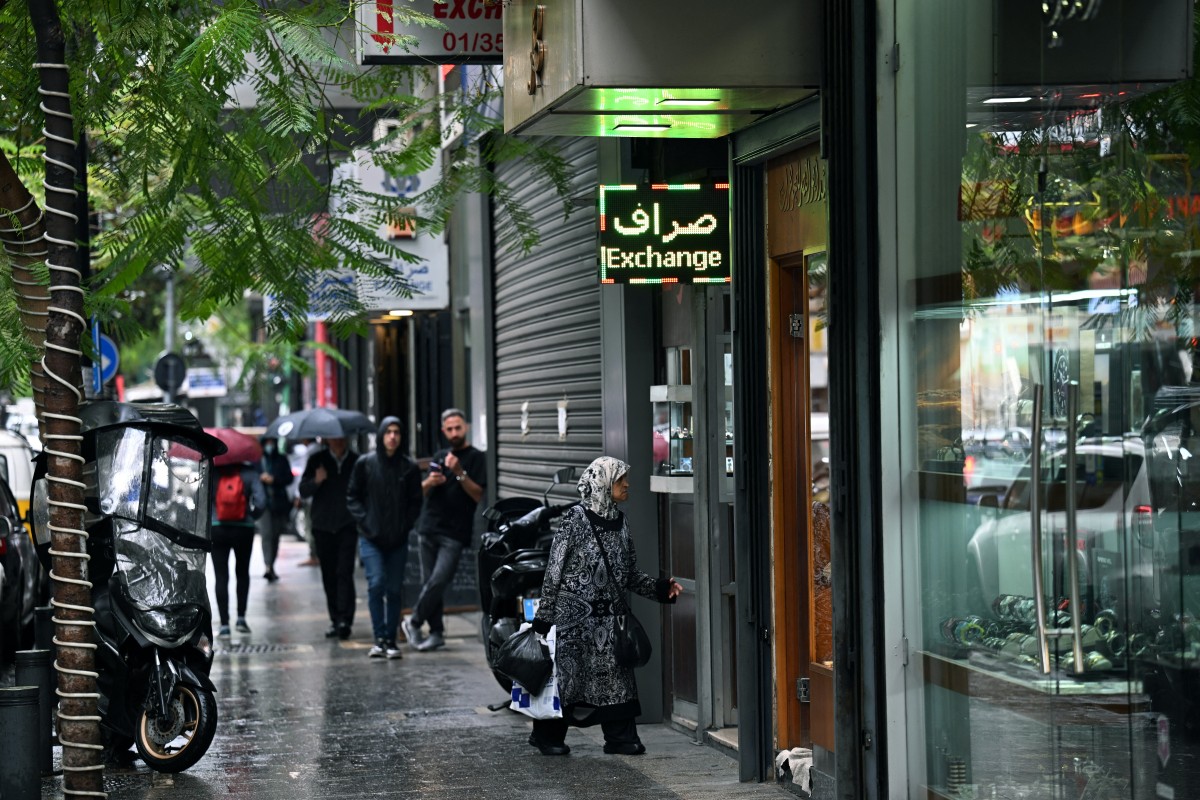




Lebanon’s chronic trade deficit has become a crippling disease—one that can no longer be treated with the “painkillers” of attempts to boost exports. The core problem lies not only in the low volume of exports, but in the massive—and often unnecessary—volume of imports. The deep chasm between imports and exports with many countries, including several classified as Lebanon’s “brotherly” and “friendly” states, has become a defining feature of this imbalance: a beast that is devouring the Lebanese economy, draining its financial reserves, and flooding its local markets with the goods of these “friendly nations,” according to the Lebanese Export & Industrial Directory. This gulf has also become a major barrier to marketing Lebanon’s industrial and agricultural production, whether locally or abroad.
The latest statistics from the Export & Industrial Directory, based on Lebanese customs data, show that Lebanon’s trade balance with the world recorded, during the first eight months of this year, a deficit of $10.57 billion. By the end of August, Lebanon had imported $12.936 billion worth of goods, while its exports amounted to only $2.366 billion.
Imports at the Expense of National Production
The problem lies not only in the enormous difference between imports and exports, but also in the fact that Lebanon is importing 1,021 products worth $5.19 billion that are already manufactured locally—or have local alternatives—in quantities that meet the highest international standards and could fully supply domestic demand.
In contrast, Lebanon exported 1,287 products worth $1.924 billion between January and the end of August.
Trade With Arab Countries
On the Arab front, Lebanon recorded a trade deficit with 11 Arab states, the largest being with Egypt, where the deficit reached $759.449 million during the period in question. It was followed by:
- Saudi Arabia: $675 million deficit
- United Arab Emirates: $507.109 million deficit
In contrast, Lebanon managed to achieve a surplus with a small number of Arab countries.
Leading the list was Iraq, with a surplus of $90.266 million, followed by:
- Syria: $32.994 million surplus
- Kuwait: $16.756 million surplus
- Qatar: $10.367 million surplus
Trade With the European Union and China
Trade with the 29 countries of the European Union resulted in a staggering deficit of $3.77 billion, with imports totaling $4.065 billion against exports of only $294.664 million.
Notably, Lebanon recorded a trade deficit with 139 countries, topped by:
China: $1.49 billion deficit
Greece: $1 billion deficit
Turkey: $773.316 million deficit
As for the countries with which Lebanon recorded a surplus, they amounted to 69, most prominently:
Arab countries: Iraq, Syria, Kuwait, Qatar
African countries: Côte d’Ivoire, Guinea, Ghana, Gabon
This reality reflects “the total absence of the Lebanese state—its ministries and concerned authorities—for decades,” according to the analysis of the Export & Industrial Directory, and “its failure to take any step that outlines a clear path for Lebanon’s exit from this crisis.”
The report stresses that reducing the trade deficit requires simple and cost-effective measures, including the implementation of trade agreements already signed between Lebanon and other countries. Chief among these are:
the Arab Intra-Trade Facilitation Agreement, and the EU–Lebanon trade agreement,
which grants Lebanon the right to impose special tariffs on imports of goods that Lebanon produces domestically—particularly under Article 15 of the Arab Trade Facilitation Agreement.
The Dangers of a Permanent and Escalating Trade Deficit
The danger of the chronic and widening trade deficit lies in its direct impact on the balance of payments, which recorded a gradual deficit from 2011 to 2021 amounting to $35 billion. This means that this amount simply left the Lebanese economy at a time when the country desperately needed it to slow the currency collapse and limit the widening losses.
If not for the rise in gold prices over the past three years, the government’s austerity policies, and the accounting adjustments adopted by financial institutions in calculating their external deposits, the deficit would have continued to grow unchecked.
Even so, the surplus currently appearing in the balance of payments is not guaranteed; it is at risk of turning back into a deficit amid intensifying security, political, and economic shocks—and continued delays in reforms.
This makes urgent action essential to reform the trade balance and reduce its deficit, given that it constitutes the largest component of the balance of payments.
Please post your comments on:
[email protected]